
Creative Ways to Make Book Week 2026: Symphony of Stories a Hit in Your Classroom
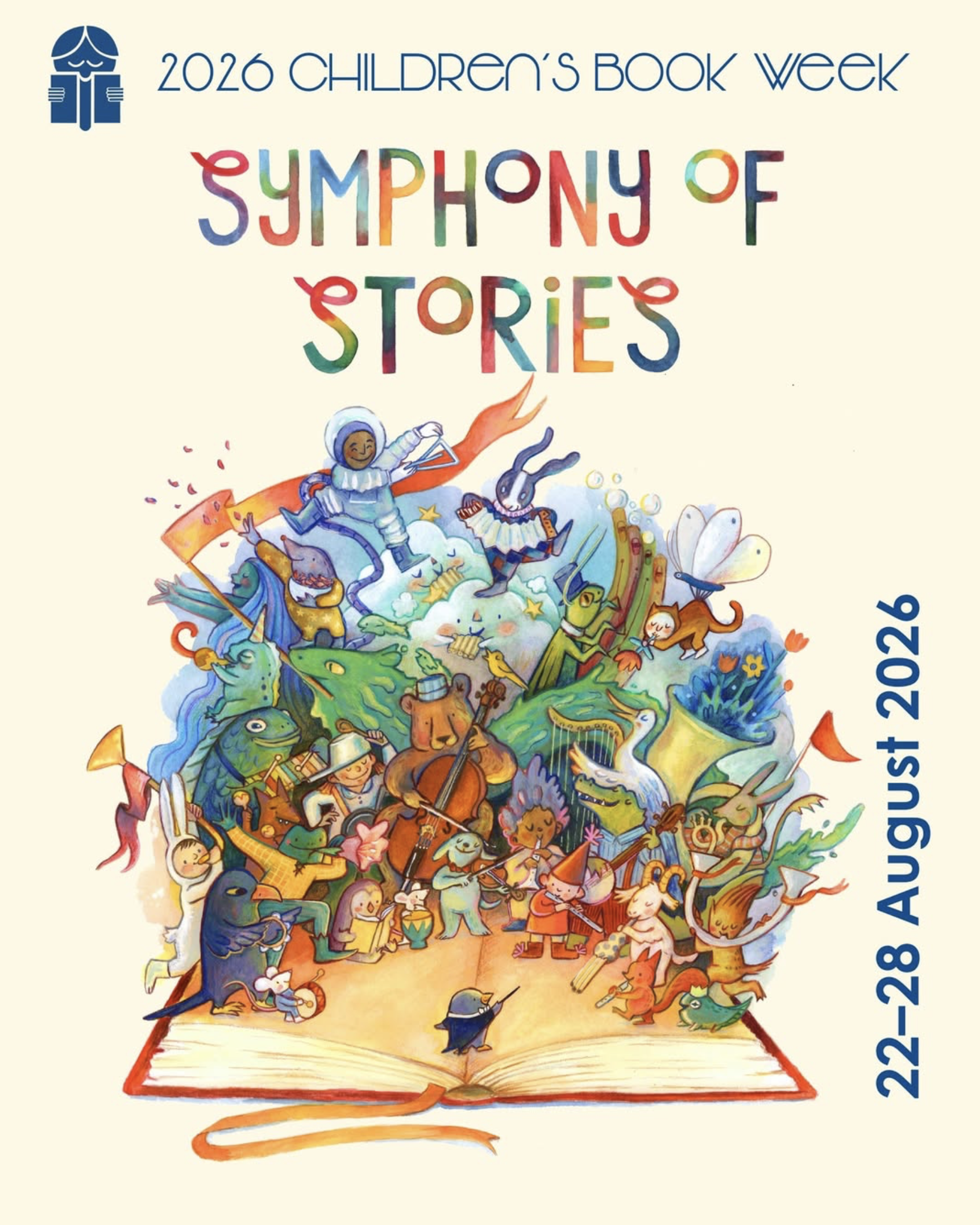
Book Week is one of the highlights of the school year for students and teachers alike—a chance to celebrate reading, spark creativity, and immerse children in stories that expand their imagination. In 2026, the Children’s Book Council of Australia (CBCA) invites schools to join the Symphony of Stories, a celebration of storytelling in all its forms. But how can you turn this theme into a dynamic, engaging, and memorable classroom experience? Here are some creative ideas that go beyond the usual activities.
Turn Stories into a “Classroom Symphony”
Idea: Assign each student or group a short story, poem, or picture book excerpt, then have them represent it as a musical instrument, movement, or sound.
Implementation:
Use everyday objects as instruments (pencils as drumsticks, rice in jars for shakers).
Let students create soundscapes for their story, reflecting mood, characters, or action.
Outcome: Students experience stories in a multisensory way, connecting literacy with music and performance.
Host a Story Orchestra
Idea: Bring Symphony of Stories to life by having students “conduct” stories.
Implementation:
Each group chooses a story and assigns different parts to classmates: narration, sound effects, musical interludes, or expressive gestures.
Record the “orchestra” or perform live for the school.
Outcome: Encourages teamwork, comprehension, and confidence in public speaking.
Creative Book Week Displays
Idea: Transform your classroom or library into a “Symphony of Stories” visual experience.
Implementation:
Create a giant musical staff on a wall and let students add “notes” that represent characters, books, or plot points.
Incorporate interactive elements like QR codes linking to students’ book reviews or audio readings.
Outcome: Makes reading visible, interactive, and celebratory.
Storytelling Through Multiple Mediums
Idea: Encourage students to retell or extend stories through art, music, dance, or digital media.
Implementation:
Digital storytelling: Students create a short animation or slideshow to accompany a story excerpt.
Visual art: Illustrate a scene using paints, digital tools, or collage.
Movement: Choreograph a short dance that expresses the plot or emotion of a story.
Outcome: Supports diverse learning styles and gives students multiple ways to connect with literature.
Author and Illustrator Exploration
Idea: Introduce students to CBCA award-winning authors and illustrators to inspire their creativity.
Implementation:
Research an author or illustrator’s work, then create a project in their style.
Invite a local author for a virtual or in-person talk.
Outcome: Students gain insight into the creative process and understand that books are made by real people with stories to tell.
Themed Writing Challenges
Idea: Turn Book Week into a writing festival.
Implementation:
Challenge students to write their own “mini symphony” of stories: a short story with multiple voices, chapters, or perspectives.
Encourage poetry inspired by music or rhythm.
Outcome: Enhances writing skills, creativity, and literary appreciation.
Costume and Role-Play Fun
Idea: Bring characters to life!
Implementation:
Have a costume day where students dress as characters from their favourite books.
Host a “Story Parade” where students perform short scenes from the books.
Outcome: Builds engagement, confidence, and a love of performance alongside reading.
Interactive Parent and Community Involvement
Idea: Extend the celebration beyond the classroom.
Implementation:
Organise a “Symphony of Stories” evening where students showcase their projects.
Send home a “family reading challenge” encouraging parents to read with children and discuss stories.
Outcome: Creates a culture of reading at home and strengthens school-community connections.
Integrate Across Curriculum
Idea: Use the Book Week theme to connect reading with other subjects.
Implementation:
Music: Compose a soundtrack for a story.
Science: Explore sound waves or acoustics linked to musical ideas in storytelling.
Art: Illustrate characters or scenes using texture, perspective, and colour.
Outcome: Deepens understanding and makes learning multidimensional.
Reflect and Celebrate
Idea: Make Book Week a time of reflection, feedback, and celebration.
Implementation:
Have students create a “Symphony of Stories” journal documenting their favourite activities and takeaways.
Display all projects and invite peers to leave feedback or questions.
Outcome: Reinforces learning, builds pride in accomplishment, and encourages ongoing reading.
Don’t forget!
Book Week 2026’s Symphony of Stories is an opportunity to ignite imagination, encourage creativity, and celebrate the joy of reading in your classroom. By combining storytelling, music, art, and performance, you can create an immersive experience that delights students, engages parents, and fosters a lifelong love of books.
Remember, the goal isn’t just to celebrate books for a week—it’s to build a classroom culture where stories are shared, celebrated, and remembered long after the final curtain falls.
Ready to make your Book Week unforgettable? Invite artists, authors or creators into your classroom for an amazing Book Week Experience!
Hey, there! I’m Jasmine Berry, a freelance illustrator based in sunny Perth, Western Australia. Most days you’ll find me sketching away on my iPad or surrounded by pencils and cats, chasing new ideas. I like to think of myself as eternally optimistic—always seeing the fun, the colour, and the possibility in every project I take on. Send me a message if you would like to collaborate on a project.